Key Takeaways
- Aim for 3 focused 45-to-60 minute sessions weekly rather than erratic daily marathons.
- Master foundational compound movements before chasing novel social media exercises.
- Log your weights and repetitions each week to trigger progressive overload.
Consistency beats intensity every single time. The biggest mistake new gym members make is attempting six-day high-intensity splits right out of the gate, leading to severe soreness and burnout by week three. The people who get lasting results aren't the ones who train the hardest for a month—they're the ones who train moderately for years.
Start with three sessions a week
Three focused 45-to-60 minute sessions per week is the sweet spot for most adults. It's frequent enough to drive adaptation, but sustainable enough to survive a busy week at work, a sick kid, or a Rogue Valley winter storm. Anything more ambitious than that should be earned over months, not declared on day one.
Organize your training around movement patterns
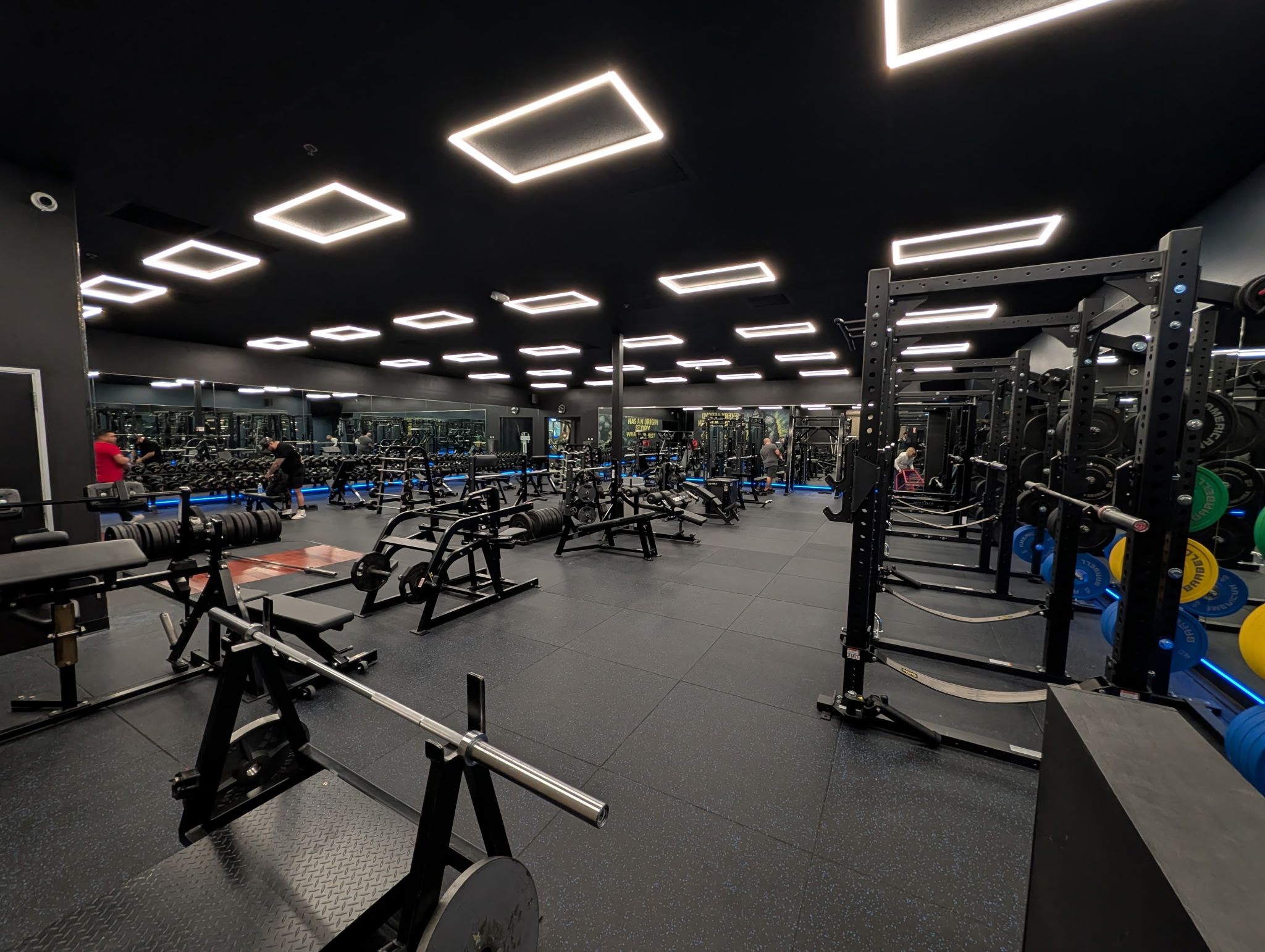
A sustainable strength program for adults balances push, pull, hinge, squat, and carry movement patterns. Using quality plate-loaded machines like our Arsenal Strength line allows you to push working sets to true fatigue with zero risk of dropped barbells—ideal when you're training alone late at night under 24/7 keycard access.
A simple full-body session template
- Squat pattern: goblet squat, leg press, or belt squat (3–4 sets)
- Hinge pattern: Romanian deadlift or plate-loaded leg curl (3 sets)
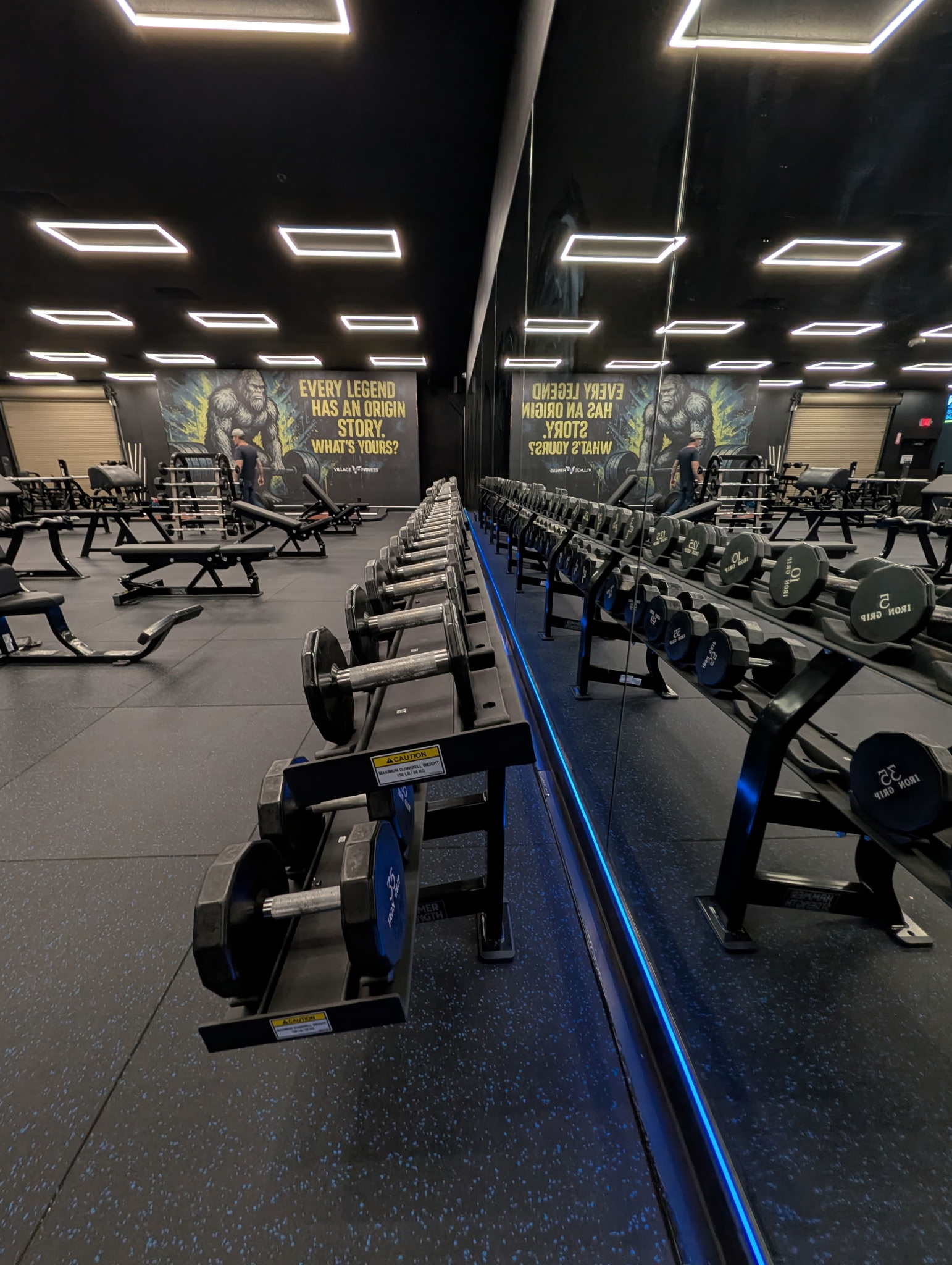
- Push: dumbbell bench press or Arsenal chest press (3–4 sets)
- Pull: seated row or lat pulldown (3–4 sets)
- Carry/core: farmer's carry or cable woodchop (2–3 sets)
Progressive overload: the only rule that matters
Your body adapts to the stimulus you give it. If you lift the same weight for the same reps every week, you will eventually stop progressing. Progressive overload simply means doing a little more over time—more weight, more reps, or better control. Log your weights and repetitions each session so you always know what to beat next time.
Track it or guess it
Members who log their workouts progress noticeably faster than those who don't. A notebook or the notes app on your phone is enough—what matters is that the number from last week is in front of you when you lift this week.
Treat workouts like appointments
Schedule your workouts as non-negotiable calendar appointments. Treat your training slot with the same respect you'd give an important client or doctor's meeting. When a workout is on the calendar, it happens; when it's a vague intention, it gets pushed aside the moment the day gets busy.
Recovery is where the progress happens
Lifting creates the stimulus; recovery is where your body actually rebuilds stronger. That means sleep, protein, and deliberate recovery modalities. A 20-minute session in the HALO RED Vitality Booth or a turn in the cedar sauna after training reduces soreness and helps you walk back in ready two days later instead of wrecked for four.
When life gets in the way
Consistency doesn't mean perfection. A 20-minute session is infinitely better than a skipped one. On weeks when everything goes sideways, drop to two short sessions and protect the habit. The goal is never missing two weeks in a row—because that's where routines go to die.
Experience Village Fitness in Medford
Train on premium Arsenal Strength equipment, recover in our HALO RED Vitality Booth, and join a club built around your experience.